
Prime Highlights
- Samsung raised prices on the Galaxy S26 and S26+ by $100 as ongoing memory chip shortages drive up component costs.
- The new S26 lineup strengthens Samsung’s AI-focused smartphone strategy with upgraded processors and advanced on-device AI tools.
Key Facts
- The Galaxy S26 starts at $899 and the S26+ at $1,099, while the S26 Ultra remains priced at $1,299.
- According to Counterpoint Research, average smartphone selling prices are projected to rise 6.9% in 2026 due to memory supply constraints.
Background
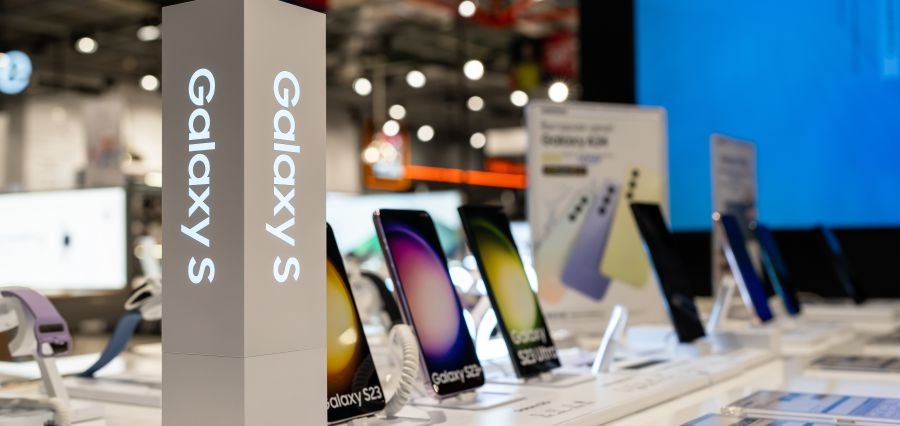
Samsung Electronics on Wednesday launched its latest flagship Galaxy S26 smartphone series, raising prices on two models as the global memory chip shortage continues to pressure the industry.
The Galaxy S26 starts at $899, while the S26+ is priced at $1,099, both $100 higher than last year’s S25 versions. The top-end S26 Ultra remains at $1,299, unchanged from its predecessor.
Samsung introduced improved artificial intelligence features and faster processors in the new devices. The S26 series marks the company’s third generation of AI-focused smartphones. New tools help users edit photos, scan documents and manage tasks more easily. The S26 Ultra also includes a privacy display that limits screen visibility from side angles, a feature Samsung calls a world first.
The launch comes at a time when smartphone makers face rising component costs. Analysts say the rapid build-out of AI data centers has diverted memory chip supply away from consumer electronics. According to Counterpoint Research, average smartphone selling prices are expected to increase 6.9% in 2026 due to the crunch.
Ben Wood, chief analyst at CCS Insight, said memory prices in smartphone segments have doubled over the past two quarters. He warned that shortages may last until 2027 or even early 2028, as AI infrastructure continues to absorb supply.
Samsung acknowledged that rising memory semiconductor prices affect the broader global industry. The company said it is working through strategic partnerships to manage supply risks and respond flexibly to market changes.
Industry analysts note that smartphone makers are diversifying suppliers to reduce exposure. However, if memory costs stay high, companies like Samsung may have to choose between keeping their profit margins and keeping their shipment levels as competition grows stronger.