
Driving next-gen mobility
India happens to have one of the highest urban populations on earth. It is estimated that more than 600 million people in India will be residing in urban areas by 2030. This is something that cannot be managed through archaic road systems and old methods of urban management.
The annual loss due to traffic congestion in Indian cities amounts to billions of rupees. In Bangalore alone, commuters spend many hours in traffic jams every year. The air gets polluted. Tempers flare. And confidence in transport systems drops.
It is here that smart transport solutions providers have made an entry to change this status quo.
What These Providers Actually Do
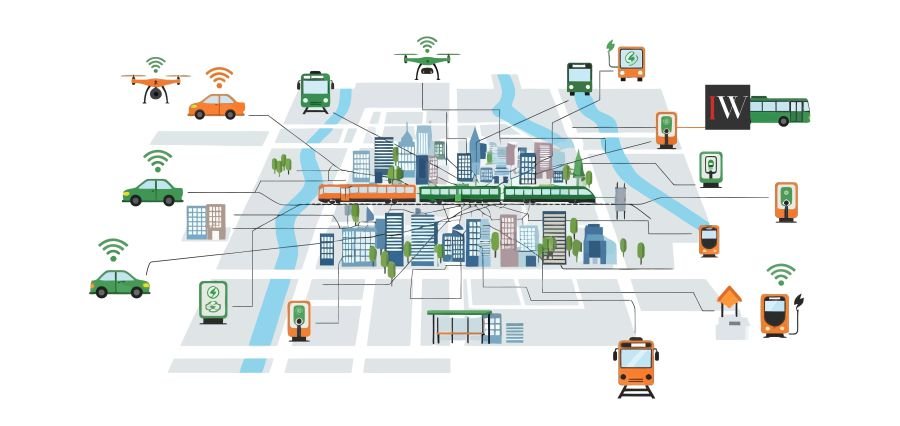
Smart transit solutions providers combine real-time data, smart technologies, and interconnected transport infrastructure. They deploy GPS-based vehicle tracking systems on buses. They develop applications that inform a commuter precisely about how long he or she will have to wait until the next bus comes.
To put it simply, they remove the guesswork from commuting.
In addition, they partner with municipal authorities to streamline their operations. They provide tools for efficient management of bus fleets, monitoring drivers’ performance, minimizing fuel consumption, and ensuring passenger safety.
Indian Companies Showing the Way
Chalo is a Pune and Ahmedabad-based startup that is making bus commuting smart in tier-2 cities. Chalo puts trackers in city buses, provides live feeds to passengers using an app and allows commuters to purchase bus tickets through their smartphones. Chalo has made smart bus commuting possible for cities like Surat, Indore, and Rajkot. Chalo has put tracking devices in over 20,000 buses across the country.
Ridlr was once a Mumbai startup, but it has since been acquired by Ola. Ridlr provided an innovative platform for urban travellers to take trips using buses, trains, and metros. Ridlr proved that Indian technologists could make world-class transportation applications comparable to those of Silicon Valley.
Namma BMTC is a smartphone application developed by the Bengaluru Metropolitan Transport Corporation in association with some technology startups in India to provide Bengaluru’s bus travellers (35 lakh daily commuters) with live bus feeds.
They are not foreign products imported to India; they are Indian products built by Indians for Indian commuters. Smart transit solution providers understand local language, local streets and behaviour and this difference makes the product shine.
The Larger Context: Safety, Accessibility, and Sustainability
The efforts of smart transit solutions providers transcend mere convenience. Their impact is socially significant.
A woman who lives in a town where she can monitor her bus and is aware that the bus will arrive in three minutes does not walk alone at night in the darkness. An individual with disabilities who uses his smartphone to determine how he can get to a particular destination safely increases the accessibility of the city. Optimized bus routes save fuel and cut down on carbon emissions.
Smart transit solutions providers are contributing significantly to urban sustainability, safety, and inclusiveness without much fuss.
Challenges Still on the Road
Nothing is simple about it. There are inconsistencies in India’s transportation infrastructure. Rural areas lack adequate connectivity. Paper-based management systems are still prevalent in many state transport corporations. Lack of budget prevents the adoption of new technologies.
Service providers must operate with the limitations and sometimes against them. The system needs to function even in a low-bandwidth network. Drivers may need training for their non-technical knowledge. There are long bureaucratic processes for procurement.
The best service providers know how to be good partners, not only vendors.
What Comes Next
For Indian transit, the future belongs to the numbers game. Electric buses are rolling out of factories and onto the streets of Bengaluru, Mumbai, and Delhi. New metro systems are opening their doors to smaller cities. Apps are emerging that integrate all modes of travel.
Smart transit solution providers will be the heart of the operation. From writing code to installing sensors and training algorithms, smart transit solution providers will help transport India’s next billion passengers.
India does not just have roads. The roads have got smart. The individuals doing this are already in action.