
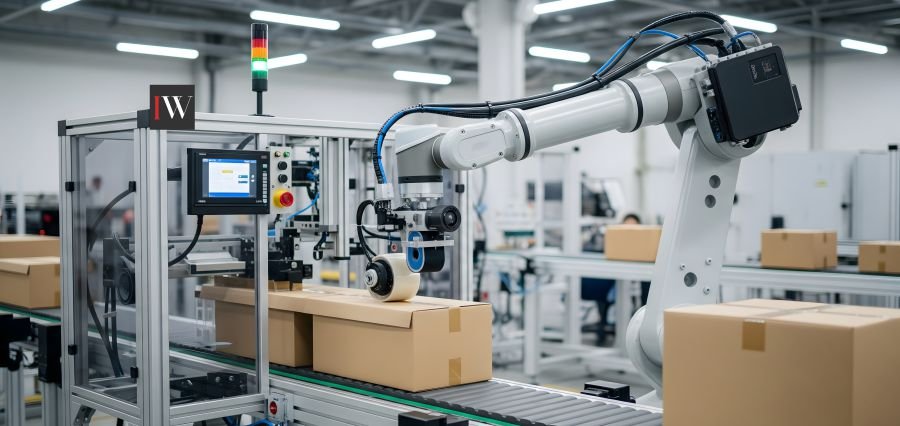
Where Technology Meets Packaging
With an age that characterizes the consumer landscape with hyper-connected consumers and constantly changing retail environments, the package has seen quite an upheaval in recent times. Gone are the days when the package was nothing more than an instrument meant to safeguard the packaged goods. Packaging today is not only part and parcel of the buying process but also plays a vital role in communicating, authenticating, and responding to its surroundings. Smart packaging solutions have started making inroads into the Indian landscape.
Beyond the Box
Essentially, what makes packaging smart is the fusion of physical and digital technologies to design packaging beyond mere containment. Smart packaging communicates, safeguards and connects. Smart packaging solutions comes in various forms, including QR codes, NFC tags, temperature-indicating inks, freshness sensors, and AR interfaces. In effect, these advancements not only help improve the end user experience but also enable companies to derive valuable information from their supply chains.
The global market for smart packaging will be worth USD 47 billion in 2027. India has all the makings of an important player in this space; it has a growing e-commerce market, a growing cold chain infrastructure, and a growing population that is largely digital-savvy. As a result, smart packaging used to be an added benefit for companies based in other countries. Now it is essential for Indian businesses.
Reinventing Trust: The Authentication Imperative
Counterfeiting of products in India is one of the biggest concerns facing consumers and companies alike. Counterfeit drugs, imitations of fast-moving consumer goods (FMCGs), and counterfeit premium food products can all have serious negative consequences on consumer’s financial and physical health. This creates an urgent need for businesses to adopt smart packaging technologies to combat such threats effectively.
An outstanding example of how these innovations can be utilized comes from within India itself. Marico Limited, the company headquartered in Mumbai which produces famous brands like Parachute and Saffola, has implemented serial QR codes onto some of its product lines. The consumer can easily scan these codes on his mobile phone, thus verifying that the product purchased is real. The serial number is unique to every item, making duplication extremely difficult. On doing so, the consumer would be linked to a website where he can find out more about his purchase, including origin, production date, and other essential information.
Cold Intelligence: Protecting Perishables in Transit
Maintaining the integrity of perishables such as dairy products, meat, vaccines, and other biologicals is one of the most pressing issues in the Indian cold chain industry. Temperatures that are out of the permissible range during transport and storage processes have traditionally led to significant wastage of these products and, more importantly, posed health risks to consumers. It is in this area that smart packaging finds its practical relevance.
One of India’s top manufacturers of vaccines, Panacea Biotec, has introduced time temperature indicators on vaccines being used in India’s Universal Immunization Program. These indicators show an irreversible color change when the vaccines have undergone exposure to non-permissible temperatures, thus alerting the medical personnel without requiring any fancy testing instruments. The introduction of TTI labels has proved extremely effective in enhancing the effectiveness of vaccines at the last mile of the distribution channel in rural health facilities, where temperature monitoring facilities are often lacking. Thus, it can be seen that smart packaging solutions offer more than just business benefits.
The Digital Layer: Packaging as a Consumer Touchpoint
Moreover, besides offering protection and authentication, leading-edge brands are exploring how packaging can be used as an engaging, interactive platform. The inclusion of QR codes in packaging will open doors to loyalty programs, recipe ideas, sustainability updates, and origin stories, converting the transactional experience to one that is experiential. Given the growing distrust towards conventional forms of marketing communication among consumers and the openness towards transparent brand storytelling, it is a huge win for companies.
As of 2024, there are now more than 750 million people using smartphones; thus, there is adequate support for digital connections to exist via the packaging of products for consumers within India and therefore, for retailers, particularly those with health and wellness related or premium food item-related products, digital connections to consumers via product packaging will provide significant benefits.
Sustainability as a Strategic Imperative
Furthermore, the development of smart packaging solution is inherently tied to sustainability efforts. Smart packaging may help lower wastage by extending the shelf-life of products using active freshness systems, hence less food is wasted since it would not have been consumed by anyone. In addition, the use of QR codes in packaging directs the consumer towards proper waste management and recycling practices..
Looking Ahead
Future packaging would be highly adaptable, interactive, and tightly woven into the digital networks that control our lives today. With Indian brands operating in an environment that becomes more challenging by the day, the use of smart packaging as part of their strategy provides an almost unique opportunity for business success, customer confidence, and socially responsible practices all at once.
Those companies which can recognize packaging not just as a cost but as a valuable strategic tool are those that will shape the future of Indian consumption.