Creating Greater Efficiency
Energy is key to houses, organizations, industries, and even societies. The constant increase in energy demands makes it a daunting task for firms to satisfy energy requirements at affordable rates and low environmental damage. It has resulted in the emergence of energy management as a vital aspect of organizational efficiency.
While most firms have been concentrated on the generation of energy, now, attention is being given to making intelligent use of available resources by improving monitoring, efficiency, renewable energy sources, and decision-making skills.
Efficient use of energy is not just the prerogative of corporate giants but has immense scope in all sectors including educational institutions, hospitals, manufacturing units, workplaces, and residential homes.
From Consumption to Intelligent Control
Traditionally, methods have been employed to analyze energy consumption after the consumption takes place. In today’s technology-driven world, organizations are able to monitor energy consumption and react to any wastage instantly.
The modern energy management system uses data collected from readings, sensors, machines, and other building systems. Using these data, any anomalies in the energy consumption, machinery, and energy wastage can be easily identified.
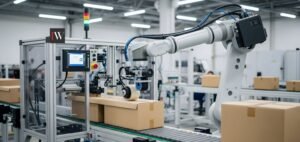
For instance, smart sensors can control lights and temperature depending on occupancy. Organizations such as manufacturing companies can keep track of the performance of their machinery, which could be using more energy than it should.
Technology Is Making Energy Smarter
Technology has revolutionized organizational approaches to the understanding and management of energy. The technologies that have been introduced include artificial intelligence, Internet of Things technology, cloud platforms, and data analytics.
Energy management enables an organization to be able to make better and faster decisions thanks to real-time information. The automated process can control energy-hungry processes and predict future energy needs.
Furthermore, artificial intelligence can be used to analyze past consumption patterns to forecast future energy consumption patterns. This makes it easier for businesses to plan their energy consumption patterns and save on costs in peak times.
There are no doubts that technology is important but the key thing is to know what you want to do with it. An organization gains the most when it combines technology with effective strategies.
Connecting Efficiency with Sustainability
Energy efficiency and environmental concerns go hand in hand. When companies cut down their wasteful expenditure, they not only save money but are also able to shrink their carbon footprints.
Effective energy management helps in balancing these two aspects by assisting companies in utilizing their resources efficiently. Energy efficient lighting, energy efficient machinery, enhanced insulation systems, intelligent building management systems, and efficient manufacturing processes can all help in reducing the consumption of energy.
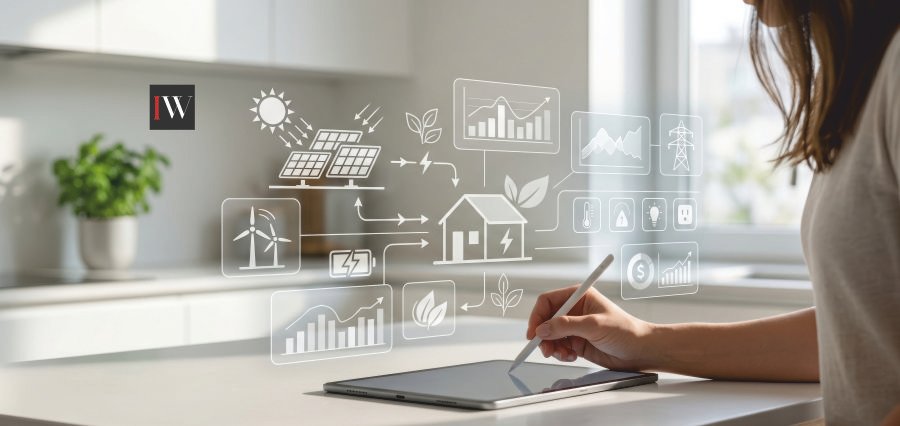
Using renewable energy is yet another way to balance the two aspects. Solar energy, wind energy, and various other renewable sources of energy can help in minimizing the reliance on fossil fuels. Renewable energy coupled with storage and intelligent monitoring can help in ensuring reliable use of energy.
Empowering People to Make Better Choices
Technology is not enough to make an energy culture effective. Employees and customers also play a role in the consumption of energy on a daily basis. Basic things such as turning off the machine that is not in use, maintaining the machine, and not using unnecessary heating/cooling are some ways of conserving energy.
An organization can improve energy management through education of its employees on responsible consumption. By setting goals, creating reports, and giving credit for any energy saving activity, employees will be able to realize that what they do has impacts.
Building Resilient Energy Systems
Consistent access to energy has been gaining significance in terms of business continuity because of energy disruption, changes in energy prices, and increasing energy demand.
The concept of smarter energy management allows organizations to prepare for such situations. It entails tracking consumption, diversification of energy supply, increased efficiency, and utilization of energy storage.
Distributed energy system and microgrid technologies are receiving considerable interest as well. Such a system allows organizations to produce, distribute, and control energy usage on-site.
The Road Ahead
Not only the amount of energy produced in the future but the quality of energy consumption itself will play a big role in determining the future of energy. The businesses that understand their own energy dynamics and rely on actual figures when making decisions will find themselves in better positions to reduce their costs and develop sustainably.
Components such as digital intelligence, renewables, automation, energy storage, and human interaction will be included in the future of energy management, giving companies the opportunity to develop an efficient energy system without affecting productivity.
An energy rethink is always a simple thing – can we do better with what we have? By answering this question properly and responsibly, the organizations will be able to reduce waste and create sustainable communities. Smart energy consumption is not just a technological opportunity but a practical way of building sustainable communities.